Categories
Window Films and Tints

What Determines the Lifespan of Home Window Tinting

Before we explore the factors influencing the lifespan of home window film, it’s important to understand what window tinting entails. Window tinting involves applying a thin film to the interior surface of your windows. This film is designed to reduce glare, block UV rays, enhance privacy, and improve the overall energy efficiency of your home. By doing so, window tinting not only enhances the visual appeal of a home but also contributes to a more comfortable living environment.

Moreover, window tinting can be customized according to specific needs and preferences, offering a range of options from varying levels of darkness to different shades and colors. This customization allows homeowners to tailor the benefits of window tinting to their particular lifestyle and aesthetic desires. Understanding these basics sets the foundation for selecting the right type of tint for your home and maximizing its longevity and benefits.

Types of Residential Window Tint

The type of window tint you choose plays a crucial role in its longevity. There are several types of residential window film, each offering distinct advantages and trade-offs:

  • Dyed Film: This is the most cost-effective option and provides good heat and glare reduction. However, its lifespan is generally shorter compared to other films. Over time, dyed films may fade and lose their effectiveness, especially when exposed to intense sunlight.
  • Metalized Film: Known for its durability, metalized film contains tiny metallic particles that reflect heat and block UV rays. It typically lasts longer than dyed film, providing a robust solution for those looking to combine cost-effectiveness with durability. However, it may interfere with electronic signals, which can be a consideration for some homeowners.
  • Ceramic Film: The most advanced and expensive option, ceramic film offers excellent heat reduction and UV protection without interfering with visibility. It’s also known for its long-lasting performance and is often the preferred choice for those seeking maximum efficiency and longevity. Ceramic films do not fade over time and maintain their clarity, making them ideal for long-term use.

Factors Influencing the Lifespan of Window Tinting

Several factors can affect how long your window tint lasts. Understanding these will help you select the right film and maintain it properly for maximum longevity. By being aware of these factors, you can make informed decisions that ensure your investment in window tinting pays off in the long run.

Quality of the Window Film

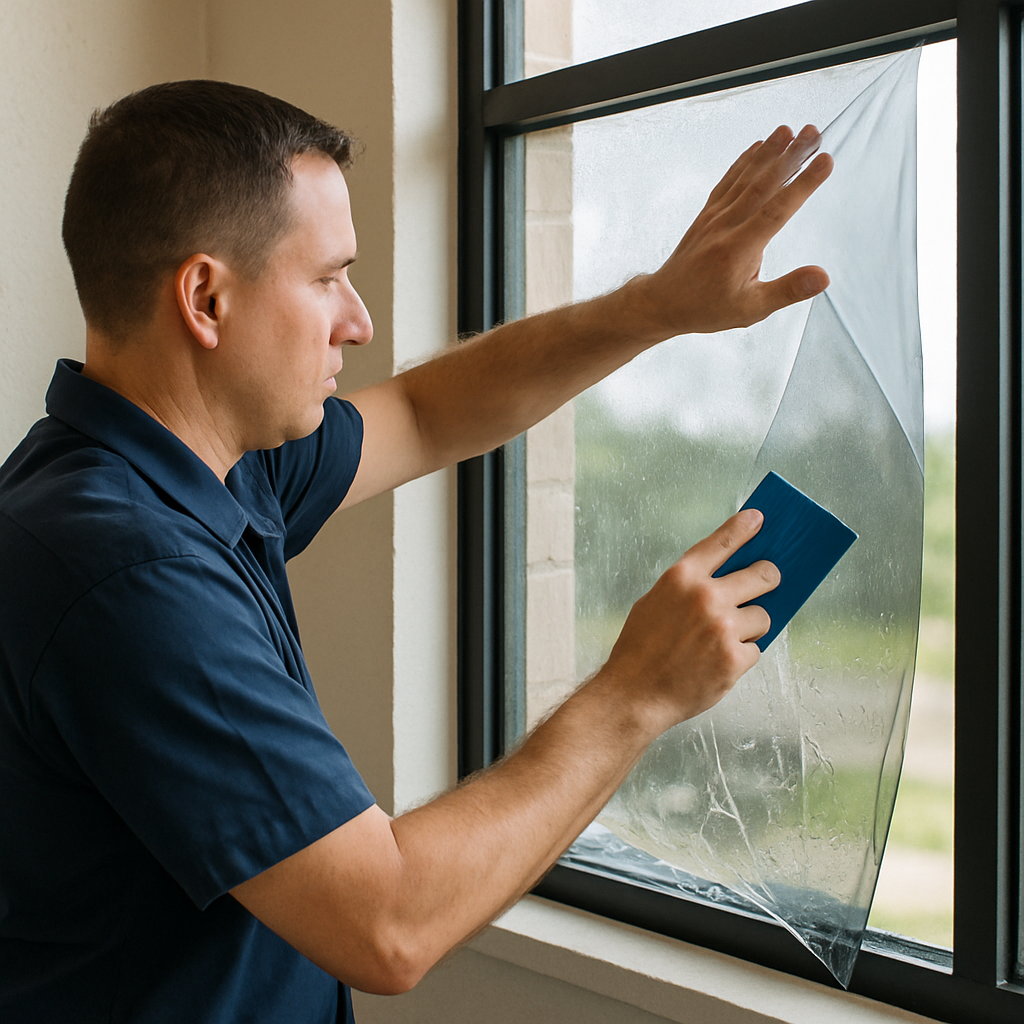
Quality window film installation

The quality of the window film is one of the most significant determinants of its lifespan. Premium quality films are manufactured to withstand harsh conditions and last longer than cheaper alternatives. Investing in high-quality film can significantly extend the life of your window tint, offering better performance and durability over time. High-quality films are typically made with advanced materials that resist fading, peeling, and discoloration, ensuring they maintain their effectiveness throughout their lifespan.

Furthermore, high-quality films often come with better warranties, providing added assurance of their longevity and performance. When evaluating window tint options, it’s important to consider not just the initial cost but the long-term value and reliability that high-quality films provide. This investment can lead to greater satisfaction and savings in the future.

Installation Process

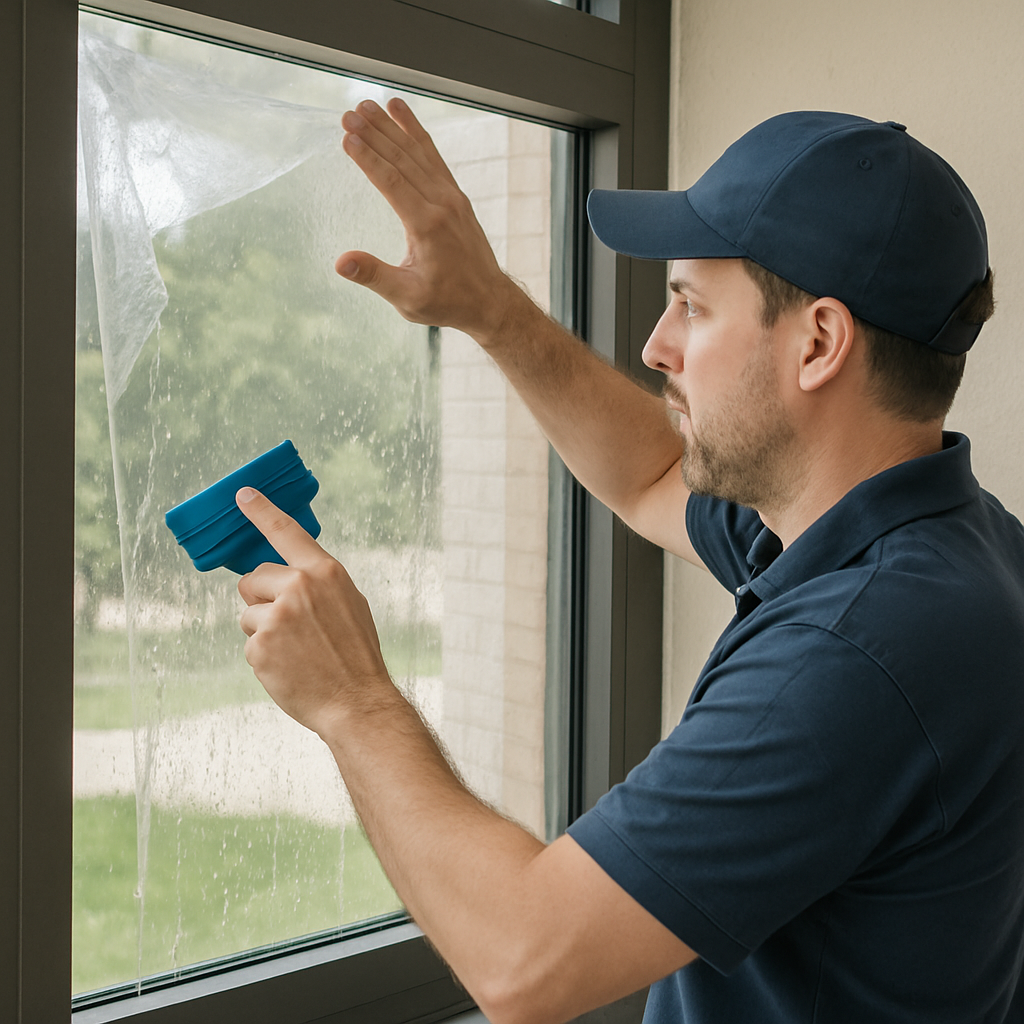
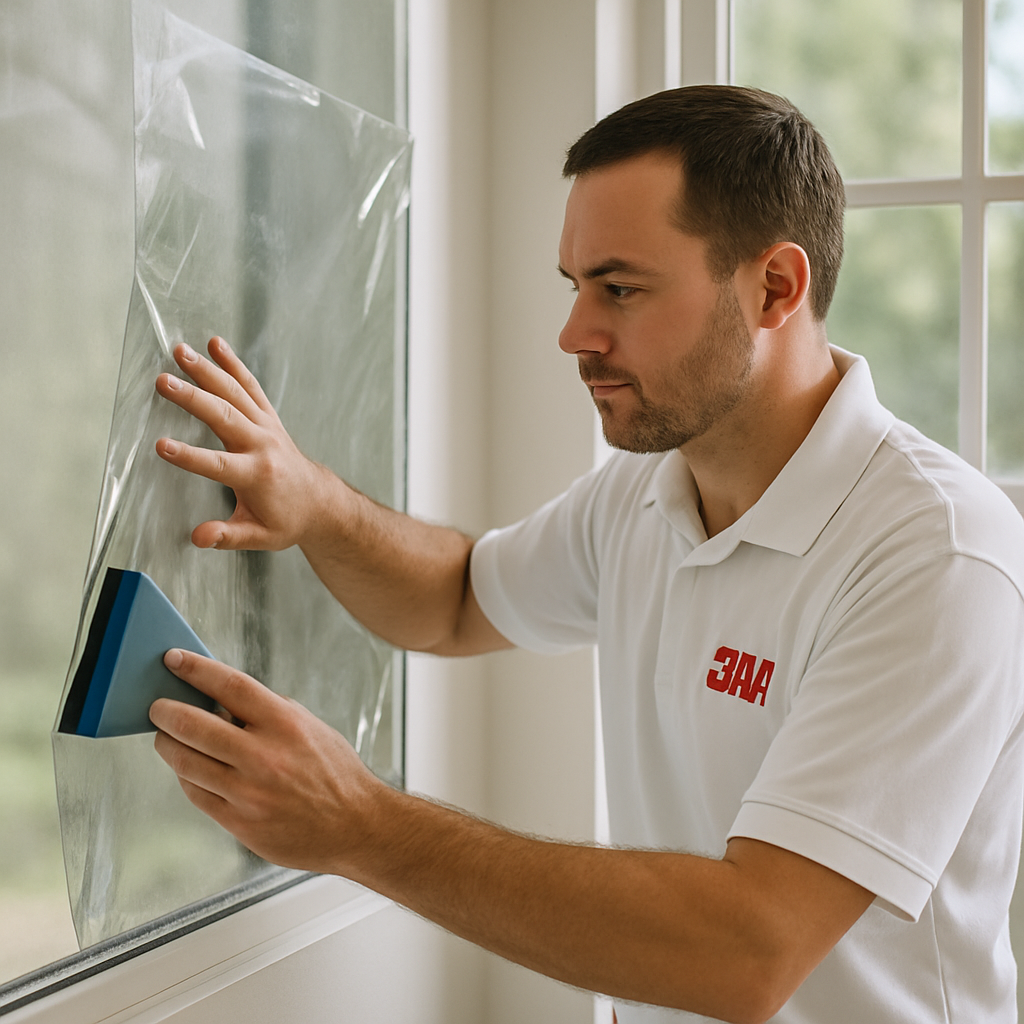
The installation process is just as important as the quality of the film itself. Professional installation ensures that the film is applied correctly, without bubbles or creases, which can compromise its durability. When installed by a skilled technician, the film adheres better and performs optimally over time. Proper installation also ensures that the film provides uniform coverage, enhancing its aesthetic appeal and functionality.

Additionally, professional installers can tailor the application to the specific needs of your windows, considering factors such as the type of glass and environmental conditions. This expertise results in a more precise and effective installation, which can significantly impact the lifespan and performance of the window tint. Skimping on professional installation can lead to issues such as peeling, bubbling, or premature degradation of the film.

Environmental Conditions

The environment in which the window film is installed plays a vital role in its longevity. Factors such as exposure to direct sunlight, temperature fluctuations, and humidity levels can impact the film’s performance. Homes in areas with intense sunlight or extreme weather conditions may experience faster degradation of window tint. It’s important to choose a film that is designed to withstand the specific environmental challenges of your location.

In regions with high UV exposure, selecting a film with superior UV blocking capabilities can prolong its lifespan and effectiveness. Similarly, in areas prone to temperature extremes, a film that provides excellent thermal insulation can offer additional protection and durability. By considering the environmental conditions, homeowners can choose a window tint that meets their needs and expectations.

Maintenance and Care

Proper maintenance is key to extending the lifespan of your home window film. Regular cleaning with non-abrasive, ammonia-free solutions will help preserve the film’s integrity. Avoid using harsh chemicals or rough materials that could scratch or damage the film. Simple maintenance practices can prevent premature wear and ensure that the film continues to perform effectively over time.

It’s also important to inspect the window tint periodically for signs of wear or damage, such as peeling edges or bubbling. Addressing these issues promptly can prevent further deterioration and extend the life of the film. By following recommended maintenance guidelines, homeowners can maximize the return on their investment in window tinting.

Benefits of Long-lasting Window Tinting

Investing in window tinting with a long lifespan offers several benefits for homeowners. Here’s what you can expect:

Energy Efficiency and Cost Savings

Long-lasting window tinting improves your home’s energy efficiency by reducing heat gain in the summer and heat loss in the winter. This results in lower energy bills and a more comfortable living environment year-round. By maintaining a consistent indoor temperature, window tinting reduces the workload on HVAC systems, leading to additional savings on energy costs.

Furthermore, the insulating properties of window tinting can contribute to a more sustainable home by decreasing the carbon footprint associated with heating and cooling. This environmental benefit aligns with the growing trend towards eco-friendly home improvements, making window tinting a responsible choice for environmentally conscious homeowners.

Enhanced UV Protection

Over time, exposure to UV rays can fade furniture, flooring, and artwork. High-quality window film blocks up to 99% of harmful UV rays, protecting your home’s interior and extending the life of your furnishings. This protection preserves the vibrancy and value of your interior decor, preventing costly replacements or repairs due to sun damage.

In addition to protecting belongings, reducing UV exposure also contributes to the health and well-being of the home’s occupants. By minimizing the harmful effects of UV rays, window tinting can help reduce the risk of skin damage and other health issues associated with prolonged UV exposure.

Increased Privacy and Security

Window tinting enhances privacy by limiting the view into your home from the outside. Additionally, some films offer added security by holding glass together in the event of breakage, reducing the risk of injury and deterring potential intruders. This added layer of protection can provide peace of mind for homeowners, knowing that their home is more secure.

The increased privacy offered by window tinting also allows homeowners to enjoy their living spaces without concerns about prying eyes. Whether it’s for personal comfort or security reasons, window tinting provides a valuable enhancement to the safety and privacy of a home.

Choosing the Right Window Tint for Longevity

When selecting window tint for your home, consider the following factors to ensure you choose a product that will stand the test of time:

Evaluate Your Needs

Consider what you want to achieve with your window tinting. Are you primarily interested in UV protection, privacy, or energy efficiency? Understanding your needs will help you select the right type of film. By aligning your choice with your priorities, you can ensure that the window tinting meets your expectations and delivers the desired benefits.

It’s also helpful to consider how your needs may evolve over time. For example, if you anticipate changes in home use or occupancy, selecting a versatile film that offers multiple benefits can provide greater long-term value. Taking a proactive approach to evaluating your needs can lead to a more satisfying and effective window tinting solution.

Consult with Professionals

Consulting with a professional window film installer can provide valuable insights and recommendations tailored to your specific situation. They can help you choose the best product for your needs and ensure it’s installed correctly for maximum longevity. Professionals have the expertise to assess factors such as window orientation, local climate, and building materials, which can influence the performance of window tinting.

Additionally, professionals can provide guidance on the latest advancements in window film technology, helping you make informed decisions about the best options available. Their experience and knowledge can be invaluable in selecting a product that delivers both immediate and long-term benefits.

Review Warranties

Many high-quality window films come with warranties that guarantee their performance for a certain number of years. Reviewing these warranties can give you peace of mind and assurance that your investment is protected. A comprehensive warranty can serve as an indicator of the manufacturer’s confidence in their product’s durability and performance.

When reviewing warranties, consider the specific terms and conditions, including coverage for issues such as fading, bubbling, or peeling. Understanding the warranty details can help you make a more informed decision and ensure that you are fully aware of the protection provided with your purchase.

Conclusion

Home with professionally installed window tinting

by Claudio Schwarz ([https://unsplash.com/@purzlbaum](https://unsplash.com/@purzlbaum))

The lifespan of home window tinting depends on a variety of factors, including the quality of the film, the installation process, environmental conditions, and maintenance practices. By selecting high-quality window tint, ensuring professional installation, and following proper care guidelines, you can enjoy the benefits of window tinting for many years to come. Whether you’re looking to improve energy efficiency, protect your home’s interior, or enhance privacy, investing in durable window tinting is a wise decision that adds value to your living space.

In conclusion, home window tinting is not just an aesthetic enhancement, but a functional improvement that offers significant long-term benefits. By understanding the factors that influence the lifespan of window tinting and making informed choices, homeowners can maximize their investment and enjoy a more comfortable, efficient, and secure home environment.

Categories
Window Films and Tints

When to Consider Frosted Window Film

As an interior designer, you’re always on the lookout for solutions that blend aesthetics with functionality, particularly when it comes to window treatments. Frosted window film is an innovative option that offers both privacy and style, making it a valuable addition to your design toolkit. Let’s explore why you might consider this versatile solution for your next project.

Frosted window film is a thin laminate that can be applied to glass surfaces. It transforms clear glass into an opaque or semi-transparent surface, providing privacy without sacrificing natural light. This film comes in various patterns and shades, allowing you to tailor it to match the specific aesthetic needs of a space. If you’d like a deeper introduction to window films, understanding the fundamentals can help you confidently recommend the right solution to clients.

The Benefits of Frosted Window Film

When considering frosted window film, it’s essential to weigh its benefits. Here are some key advantages:

  • Privacy Enhancement: The primary reason many choose frosted window film is for privacy. It prevents people from seeing into a room while still allowing light to pass through.
  • Aesthetic Appeal: With a range of designs and patterns available, frosted window film can complement and enhance the overall look of a room.
  • Cost-Effective: Compared to etched glass or blinds, frosted window film is an affordable alternative that delivers similar benefits.
  • Easy Maintenance: Once applied, the film is easy to clean and maintain, requiring nothing more than a damp cloth for occasional wiping.
  • Energy Efficiency: By filtering sunlight, frosted window film can help reduce heat gain. According to the U.S. Department of Energy, certain window films can reduce solar heat gain and improve overall energy performance, which can contribute to lower energy bills.

When to Use Frosted Window Film

Modern home with frosted window film

There are several scenarios where frosted window film might be the ideal choice. Let’s take a look at some of the most common situations:

Privacy Concerns in Urban Living

In urban settings, homes and offices are often close together, making privacy a top priority. Frosted window film is an excellent solution for maintaining privacy without the need for curtains or blinds, which can block out natural light.

Enhancing Bathroom Spaces

Bathrooms are a natural fit for frosted window film. It provides the necessary privacy while allowing daylight to illuminate the space, creating a serene and welcoming environment. You can also explore different frosted window film uses to better tailor the design to wet environments like bathrooms.

Office Spaces and Meeting Rooms

For offices, frosted window film offers the perfect balance of openness and privacy. It can be used to create private meeting rooms or cubicles without the need for solid walls, keeping the area feeling open and airy. Organizations such as the Architectural Digest frequently highlight glass treatments as a modern way to maintain openness while improving functionality.

Decorative Elements

Frosted window film is not just functional; it’s also decorative. With a variety of patterns and designs available, it can serve as an artful addition to any room, adding texture and interest to plain glass.

How to Choose the Right Frosted Window Film

Selection of frosted window films

by Nguyen Minh (https://unsplash.com/@ngminh8895)

Choosing the right frosted window film involves considering several factors:

Design and Pattern

With options ranging from simple frosts to intricate patterns, selecting a design that complements the room’s decor is crucial. For a minimalist look, a plain frosted film might be best, while more decorative patterns can add visual interest to a space.

Degree of Privacy

Different films offer varying levels of opacity. Consider the amount of privacy needed in each space when selecting your film.

Installation Process

Some films are easier to install than others. If you’re planning to apply the film yourself, look for options with easy installation instructions. Alternatively, professional installation can ensure a perfect finish.

Durability and Maintenance

High-quality frosted window films are durable and resistant to peeling or fading. Ensure you choose a film that offers longevity and ease of maintenance.

Installing Frosted Window Film

While frosted window film can be a DIY project, professional installation guarantees the best results. Here’s a brief overview of what the installation process typically involves:

Preparing the Surface

The glass surface must be thoroughly cleaned and free of any dirt or grime before applying the film. This ensures good adhesion and a smooth finish.

Measuring and Cutting the Film

Accurate measurements are crucial for a precise fit. The film should be cut slightly larger than the window, then trimmed to size once applied.

Application

The film is applied using a wet application method, where a solution is sprayed onto the glass before applying the film. This allows for adjustments and ensures a bubble-free finish.

Trimming and Finishing

Once the film is applied, excess material is trimmed away, and the edges are smoothed out for a clean look.

Maintaining Frosted Window Film

Maintaining frosted window film is straightforward. Here are some tips to keep it looking its best:

  • Regular Cleaning: Use a soft cloth and a mild cleaning solution to wipe down the film. Avoid abrasive materials that could scratch the surface.
  • Avoid Harsh Chemicals: Stick to gentle, non-abrasive cleaning agents to preserve the film’s integrity.
  • Inspect for Damage: Regularly check for any signs of peeling or damage, especially around the edges, and address them promptly to prevent further issues.

Conclusion

Frosted window film is a versatile and practical solution for enhancing privacy and adding style to any space. As an interior designer, incorporating this option into your projects can provide clients with a cost-effective and aesthetically pleasing window treatment that meets their needs. Whether you’re updating an urban apartment, designing a new office, or adding privacy to a bathroom, frosted window film is worth considering for its many benefits and ease of use.

Categories
Window Films and Tints

How to Find Nearby Window Tinting Services You Can Trust

In the ever-evolving world of home improvement, finding reliable services can sometimes feel like an uphill task. When it comes to enhancing your living space with window tinting, trust and quality are non-negotiable. Window tinting not only elevates the aesthetic appeal of your home but also offers practical benefits such as increased energy efficiency and privacy. This guide will help you find trustworthy “nearby window tinting services” that meet your needs.

Before diving into how to find the right window tinting service, it’s important to understand the myriad benefits of window tinting can provide.

Window tinting can significantly improve the look of your home, providing a sleek and polished appearance. It offers a variety of styles and shades to match any interior design, making it a versatile choice for enhancing the aesthetic of any space.

One of the primary benefits of window tinting is its ability to reduce energy costs. By blocking out a significant amount of solar heat, tinted windows can help maintain a comfortable indoor temperature, reducing the need for air conditioning during the hot months. According to the U.S. Department of Energy, window films can significantly improve energy performance in residential buildings.

Window tinting adds an extra layer of privacy, preventing outsiders from seeing into your home without compromising your view of the outside world. Additionally, window film can hold shattered glass together in the event of a break, providing an added layer of security. The International Window Film Association (IWFA) outlines how professionally installed films enhance both safety and security standards.

Window tinting installation process

What to Look for in a Window Tinting Service

Choosing the right window tinting service is crucial to ensuring high-quality results. Here are some key factors to consider:

Experience and Expertise

Look for a service provider with a proven track record in window tinting. Experienced professionals are more likely to deliver quality results and provide valuable insights into the best options for your home.

Range of Services

A comprehensive service provider should offer a variety of tinting options, including both residential and commercial window tinting solutions. This versatility indicates a robust understanding of different client needs and preferences.

Quality of Materials

Ensure that the service provider uses high-quality window film materials. The longevity and effectiveness of your window tinting depend greatly on the quality of the film used.

High-quality window films

Finding Nearby Window Tinting Services

Now that you understand what to look for, let’s explore how to find these services in your area.

Online Searches

Start your search by looking for “window tinting near me” or “nearby window tinting services” online. This can provide you with a list of local service providers along with customer reviews and ratings. Pay attention to feedback about customer service, quality of work, and timeliness.

Ask for Recommendations

Word of mouth is a powerful tool. Ask friends, family, or neighbors for recommendations. Personal experiences can provide valuable insights into the reliability and quality of a service provider.

Visit Local Home Improvement Stores

Home improvement stores often have networks of trusted service providers. Visiting these stores can connect you with reputable window tinting professionals in your area.

Evaluating Potential Service Providers

Once you have a list of potential service providers, it’s time to evaluate them to find the best fit for your needs.

Check Credentials and Certifications

Ensure that the service provider is licensed and certified. This is an important indicator of professionalism and adherence to industry standards.

Request a Consultation

Many companies offer free consultations. Use this opportunity to discuss your needs, get a feel for their customer service, and ask any questions you may have about the process or materials.

Get Multiple Quotes

Obtaining quotes from multiple providers allows you to compare prices and services. Be wary of quotes that are significantly lower than others, as this may indicate subpar materials or workmanship.

Comparing window tinting quotes

by Davis Patton (https://unsplash.com/@davispatton)

Making Your Decision

With all the information in hand, you’re ready to make an informed decision.

Consider the Value Offered

When comparing quotes, consider the value offered rather than just the price. A slightly higher cost may be justified by superior materials, better customer service, or longer warranties.

Review Customer Service

The quality of customer service can be as important as the tinting service itself. A provider that is responsive, respectful, and willing to address your concerns is invaluable.

Trust Your Instincts

Finally, trust your instincts. Choose a provider that makes you feel confident and comfortable with their services.

Conclusion

Finding reliable “nearby window tinting services” is a crucial step in ensuring your home improvement project is a success. By understanding the benefits of window tinting, knowing what to look for in a service provider, and carefully evaluating your options, you can enhance your home’s aesthetics, efficiency, and security with confidence. Remember, the right window tinting service will not only meet your immediate needs but will also add lasting value to your home.

Categories
Window Films and Tints

Real Results with Mirror Window Film

In the ever-evolving world of home improvement, finding solutions that are both stylish and functional can be challenging. One innovation that ticks both boxes is mirror window film. This remarkable product not only enhances privacy but also contributes to energy efficiency and aesthetic appeal. Let’s delve into the world of mirror window film and explore how it can transform your living spaces.

Mirror window film, also known as reflective window film, is a thin laminate that can be applied to the interior or exterior of glass surfaces in homes or offices. It is designed to reflect light, offering privacy during the day while allowing occupants to enjoy the view outside. To better understand the benefits and types of window film, it’s helpful to explore how different films perform in various residential and commercial settings.

The Magic of Reflective Window Film

Reflective window film works by creating a mirror-like effect on the outside while maintaining visibility from the inside. This effect is achieved through a layer of metallic particles embedded in the film, which reflects sunlight and reduces glare. According to the U.S. Department of Energy, properly selected window films can significantly reduce solar heat gain, improving indoor comfort and lowering cooling loads. The result is a more comfortable and private indoor environment.

The Benefits of Mirror Window Film

Privacy window film for residential use

Enhanced Privacy

One of the primary reasons homeowners choose mirror window film is for enhanced privacy. During daylight hours, the film acts as a one-way mirror, preventing those outside from seeing in while still allowing those inside to see out. This feature is particularly beneficial for homes situated in busy neighborhoods or areas with high foot traffic.

Improved Energy Efficiency

Mirror window film is not just about privacy; it also plays a significant role in energy efficiency. By reflecting a substantial amount of solar heat, the film helps maintain a more consistent indoor temperature. This reduces the need for excessive air conditioning, leading to lower energy bills and a smaller carbon footprint. In fact, the Natural Resources Canada highlights solar control strategies as an effective way to improve overall household energy performance.

Glare Reduction

For those who enjoy natural light but struggle with excessive glare, mirror window film is a perfect solution. By cutting down on glare, it allows you to enjoy sunlight without the discomfort and strain on your eyes, making it ideal for home offices or living rooms with large windows.

UV Protection

Prolonged exposure to ultraviolet (UV) rays can cause fading and damage to furniture, flooring, and artwork. Mirror window film blocks up to 99% of harmful UV rays, preserving the longevity and vibrancy of your interior furnishings.

Aesthetic Appeal

Modern interior design with window film

by Ryan Ancill (https://unsplash.com/@ryanancill)

Beyond its functional benefits, mirror window film adds a sleek, modern look to any space. Its reflective quality can enhance the appearance of a building, giving it a contemporary edge. Whether you’re aiming for a minimalist aesthetic or a high-tech feel, mirror window film can complement a wide range of interior design styles.

How to Choose the Right Mirror Window Film

Selecting the right mirror window film involves considering several factors to ensure it meets your specific needs.

Consider Your Privacy Needs

Think about the level of privacy you desire. Some films offer higher reflectivity, which enhances privacy but may slightly reduce the amount of natural light entering your space.

Assess Energy Efficiency Goals

If energy efficiency is a priority, look for films with a higher solar heat rejection rate. This will help in reducing cooling costs and maintaining a comfortable indoor environment.

Evaluate Aesthetic Preferences

Consider the overall look you want to achieve. Mirror window films come in various shades and finishes, allowing you to tailor the appearance to match your style preferences.

Installation Process

Installing mirror window film is a straightforward process, but it does require some precision to ensure a seamless finish.

Professional Installation vs. DIY

While it is possible to install mirror window film yourself, professional installation ensures the best results. Professionals have the experience and tools necessary to apply the film without bubbles or wrinkles, providing a flawless finish.

Preparing Your Windows

Before installation, clean your windows thoroughly to remove any dirt or debris. This ensures that the film adheres properly and lasts longer.

Application Techniques

During installation, the film is applied using a soapy water solution to help position it correctly. Once in place, a squeegee is used to remove any air bubbles and ensure a smooth application.

Maintenance and Care

Mirror window film is low-maintenance, but a few simple steps can help preserve its appearance and longevity.

Cleaning Tips

Use a soft, damp cloth or a non-abrasive sponge to clean the film. Avoid using harsh chemicals or abrasive materials, as these can damage the film’s surface.

Regular Inspections

Periodically inspect the film for any signs of wear or damage. Promptly addressing any issues can prevent further deterioration and extend the life of the film.

Real-World Applications

Interior designers and homeowners alike are discovering the transformative impact of mirror window film. Whether it’s enhancing the privacy of a city apartment, reducing energy bills in a suburban home, or adding a modern touch to a commercial space, the applications are endless.

Case Study: Urban Apartment Privacy

In a bustling urban environment, privacy can be a significant concern. A recent project involved installing mirror window film in an apartment overlooking a busy street. The film provided the tenants with the privacy they desired without sacrificing natural light or views.

Case Study: Energy Efficiency in Suburban Homes

In a suburban home where energy costs were soaring, the installation of mirror window film resulted in a noticeable reduction in energy bills. The homeowners were delighted with the added benefit of reduced glare and enhanced UV protection.

Conclusion

Mirror window film offers a versatile, stylish, and functional solution for those looking to enhance their living spaces. Whether you’re an interior designer seeking to provide clients with cost-effective, eco-friendly solutions or a homeowner looking to improve privacy and energy efficiency, mirror window film delivers real results. Transform your space today with this innovative solution and enjoy the benefits of enhanced privacy, reduced energy costs, and improved aesthetics.

Categories
Window Films and Tints

Removing Window Film Tools Timing and Safety Tips

In this guide, we’ll walk you through essential tools, timing considerations, and safety tips to make your window film removal guide project a success. By the end of this article, you’ll be well-prepared to tackle the task confidently, ensuring that your windows are ready for a new look or improved functionality.

Window with old film

Before diving into the tools and techniques, it’s important to understand why and when window film removal becomes necessary. Over time, window films can degrade due to prolonged exposure to sunlight, leading to discoloration, bubbling, or peeling. These signs indicate that it’s time to replace the film to maintain both the aesthetic and functional benefits of your windows. Additionally, as films age, they may also become less effective in blocking UV rays, which can lead to increased energy costs and potential damage to interior furnishings. According to the U.S. Environmental Protection Agency (EPA), improving window performance plays a role in overall energy efficiency strategies for homes and commercial buildings.

Common Reasons to Remove Window Film

  1. Aesthetic Updates: Interior design trends change, and so may your preference for window tint styles and colors. Keeping up with the latest styles can significantly enhance the look of a room, making it feel more modern and inviting. Also, changing films can allow for a better match with new furniture or paint colors, ensuring a cohesive design.
  2. Film Degradation: Exposure to UV rays can cause the film to deteriorate, reducing its effectiveness and appearance. Over time, this can lead to a film that not only looks unattractive but also fails to provide the benefits it once did, such as privacy or UV protection. It’s essential to monitor the condition of your window films and plan for replacements to maintain their benefits.
  3. Performance Issues: Old or damaged films may not provide the energy efficiency or privacy that they once did. As the film’s performance declines, you may notice increased glare, reduced privacy, or higher energy bills due to less effective insulation. Recognizing these signs early can help you address them before they become more significant problems.

By recognizing these signs early, you can plan for a timely replacement that aligns with your design goals and energy efficiency standards. This proactive approach ensures that your windows remain both functional and stylish, contributing positively to your home’s overall ambiance. The U.S. Department of Energy also highlights how proper window management contributes to long-term energy savings.

Essential Tools for Window Film Removal

Removing window film requires specific tools to ensure a clean and efficient job. Here’s what you’ll need to make the process as seamless as possible:

Tint Removal Kit

A tint removal kit is your go-to solution for a hassle-free experience. These kits typically include:

  • Utility Knife: For cutting and peeling off the film. A sharp blade is essential for clean cuts, preventing any tears that could complicate removal.
  • Spray Bottle: To apply soapy water or a window cleaner that helps loosen the adhesive. This step is crucial in ensuring that the film peels away without leaving residue.
  • Squeegee: To smooth out and remove film and adhesive residue. A quality squeegee can help achieve a streak-free finish, making the final cleaning process easier.
  • Scraper Blade: For scraping off stubborn adhesive. It’s important to use a scraper designed for glass to prevent scratches.

Additional Window Tint Tools

While a tint removal kit covers the basics, consider having these extra tools on hand for an even smoother experience:

  • Heat Gun or Hair Dryer: Applying heat can soften the adhesive, making it easier to peel off the film. The gentle heat ensures that the adhesive remains pliable, reducing the risk of tearing the film.
  • Microfiber Cloth: Useful for cleaning the window surface post-removal. Microfiber is ideal for catching dust and grime without scratching the glass surface, ensuring a pristine finish.

Protective Gear

Safety should always be a priority. Equip yourself with:

  • Gloves: Protect your hands from cuts and cleaning solutions. Durable gloves can also provide better grip when handling tools and film.
  • Safety Glasses: Shield your eyes from stray pieces and cleaning chemicals. Ensuring eye protection is crucial, as even small film particles or splashes of cleaning solution can cause irritation.

Timing Your Window Film Removal

Person removing window film

Timing can significantly affect the ease and outcome of your window film removal project. Proper timing ensures that you make the most of environmental conditions, which can aid in the removal process.

Weather Conditions

Removing window film is best done on a sunny day. The heat from the sun can naturally soften the adhesive, making the removal process smoother. The sun’s warmth can also help evaporate any moisture that might interfere with the adhesive’s loosening. Avoid rainy or excessively cold days as moisture and cold can complicate the task, causing the adhesive to harden or become more difficult to manage.

Time of Day

Plan your removal for late morning or early afternoon when temperatures are warmer. This timing ensures that the sun has had time to heat the film and window surface. The natural warmth will complement the tools you’re using, making the entire process more efficient. Additionally, working during daylight hours provides better visibility, reducing the risk of leaving adhesive behind.

Project Duration

Allocate enough time for the task. Depending on the size and number of windows, the process can take a few hours. Rushing can lead to incomplete removal or damage to the window surface. It’s advisable to set aside more time than you think you’ll need, allowing for any unexpected challenges that may arise.

Step-by-Step Window Film Removal Process

Here’s a straightforward guide to removing window film. Following these steps will help ensure a successful and hassle-free removal:

Step 1: Prepare the Area

Clear the window area of any furniture or decor items. Lay down a drop cloth to catch debris and make cleanup easier. Preparing the area in advance also prevents any accidental damage to your belongings, keeping your workspace organized and efficient.

Step 2: Loosen the Film

Spray the window film with a generous amount of soapy water or window cleaner. Allow it to soak for a few minutes to loosen the adhesive. This step is crucial as it reduces the risk of tearing the film during removal, ensuring a smoother peel-off process.

Step 3: Apply Heat

Use a heat gun or hair dryer to warm the film, starting at a corner. This will further soften the adhesive and make peeling easier. Applying consistent heat helps prevent the film from becoming brittle, reducing the chances of it breaking into smaller pieces.

Step 4: Peel the Film

Carefully use a utility knife to lift a corner of the film. Slowly peel it away from the glass, applying more heat as needed. Taking your time with this step ensures that you remove the film in large sections, minimizing leftover adhesive.

Step 5: Remove Residual Adhesive

Use a scraper blade to remove any remaining adhesive. Keep the surface wet with soapy water to prevent scratches. Working carefully and methodically will ensure that you don’t damage the glass during this step.

Step 6: Clean the Glass

Once the film and adhesive are removed, clean the glass thoroughly with a microfiber cloth and window cleaner to ensure a spotless finish. This final step not only enhances the appearance of your windows but also prepares them for any new films you may wish to apply.

Safety Tips for Removing Window Film

Safety equipment for window film removal

by K Adams (https://unsplash.com/@kadams77)

  1. Work in a Well-Ventilated Area: Ensure proper ventilation to avoid inhaling fumes from cleaning solutions or adhesive residue. Adequate airflow can also help in quickly dissipating any odors associated with the cleaning agents used.
  2. Use Caution with Blades: Always cut away from your body and keep fingers clear of the blade path. Ensuring safe handling of sharp tools prevents accidents and injuries.
  3. Handle Heat with Care: Be cautious when using a heat gun to avoid burns. Keep it moving to prevent overheating any area. Proper handling of heat tools not only protects you but also prevents damage to the window glass.
  4. Dispose of Waste Responsibly: Collect film and adhesive waste and dispose of them according to local regulations. Responsible disposal protects the environment and ensures compliance with waste management laws.

Conclusion

Removing window film doesn’t have to be a challenging task. With the right tools, timing, and safety measures, you can efficiently update your windows, enhancing both the appearance and functionality of your space. A well-executed removal process paves the way for new installations that meet your design and efficiency needs.

For interior designers, understanding the removal process helps in providing clients with fresh, energy-efficient, and stylish window solutions that complement their overall design vision. By following this guide, you can ensure a smooth, safe, and successful window film removal experience, paving the way for new installations that meet your design and efficiency needs. Embrace the opportunity to refresh your space, confident in the knowledge that your efforts will result in a stylish and functional window solution.

Categories
Window Films and Tints

Real-World Tips for Solar Control Window Film

When it comes to enhancing home comfort and energy efficiency, solar control window film is a remarkable solution. It offers not only energy savings but also provides privacy and improved aesthetics. With the right application, solar window films can transform the way you experience your living spaces.

In this article, we’ll delve into practical tips for using solar control window film, ensuring you get the most out of this innovative home improvement solution.

Solar control window film is a thin layer of film applied to the interior or exterior of windows. Its primary purpose is to reduce heat and glare from the sun, helping to maintain a comfortable indoor temperature. This film is often made from polyester or other heat-rejecting materials and can be clear, tinted, or reflective. According to the U.S. Department of Energy, window films can significantly improve energy performance by reducing solar heat gain and improving overall comfort.

Benefits of Solar Control Window Film

  1. Energy Efficiency: By blocking a significant amount of solar heat, these films reduce the need for air conditioning, leading to lower energy bills.
  2. UV Protection: They block up to 99% of harmful UV rays, protecting your furniture, flooring, and skin from damage.
  3. Glare Reduction: Solar window films significantly cut down on glare, making it easier to view screens or enjoy natural light without discomfort.
  4. Privacy: Reflective or tinted films can provide added privacy without sacrificing natural light.

Choosing the Right Window Film

A variety of window films displayed in a showroom

Selecting the right type of solar control window film depends on several factors, including your specific needs, the direction your windows face, and aesthetic preferences. Here’s how to make the best choice:

Assess Your Needs

Consider whether your priority is reducing heat, enhancing privacy, or both. If privacy is a concern, opt for a reflective or tinted film. If maintaining a clear view is important, look for films that offer heat reduction without tinting.

Evaluate Window Orientation

Windows facing south and west receive the most sunlight and heat, so they would benefit the most from solar control window films. For these windows, consider films that offer maximum heat rejection. You can also maximize energy efficiency with solar window films by selecting the appropriate heat rejection level and visible light transmission (VLT%) based on your home’s layout.

Consider Aesthetics

Choose a film that complements the interior and exterior appearance of your home. Modern films come in various shades and finishes, allowing you to match the film to your home’s decor style.

Installation Tips

Proper installation is crucial for maximizing the benefits of solar control window film. You can choose to DIY or hire a professional installer. Here’s what to consider:

DIY Installation

  1. Clean Thoroughly: Ensure windows are thoroughly cleaned before applying the film. Any dust or dirt will lead to bubbles and imperfections.
  2. Measure Precisely: Measure your windows accurately and cut the film to size, leaving a slight excess for trimming after application.
  3. Use the Right Tools: A squeegee, utility knife, and spray bottle with a soap solution are essential for a smooth installation.
  4. Follow Instructions: Carefully follow the manufacturer’s instructions for the best results.

Hiring a Professional

If you opt for professional installation, ensure the installer is experienced and comes recommended. Professional installers often guarantee their work, providing you peace of mind.

Maintenance and Care

A homeowner cleaning a window with solar film

by Sydney Moore

Solar control window films are low-maintenance, but a little care goes a long way in maintaining their effectiveness and appearance. The U.S. Environmental Protection Agency (EPA) also highlights energy-efficient window solutions as an important step in reducing overall building energy consumption.

Cleaning Tips

  1. Wait Before Cleaning: Allow the film to cure for at least 30 days before the first cleaning.
  2. Use Gentle Cleaners: Avoid harsh chemicals. Instead, use a mild soap solution and a soft cloth.
  3. Avoid Abrasives: Never use abrasive materials or tools that could scratch the film.

Regular Inspections

Periodically inspect the film for any signs of peeling or bubbling. Addressing these issues early can prevent larger problems and prolong the film’s lifespan.

Real-World Applications

Solar control window films are versatile and can be applied in various settings beyond residential homes:

Commercial Buildings

Office buildings benefit from reduced glare on computer screens, lower energy costs, and a comfortable environment for employees and clients.

Retail Spaces

Retailers use window films to protect merchandise from UV damage while maintaining a comfortable shopping environment.

Cars and Vehicles

Solar films in vehicles enhance privacy, reduce glare, and keep interiors cooler, improving overall driving comfort.

Conclusion

Solar control window film is a smart investment for anyone looking to improve energy efficiency, enhance privacy, and protect interior furnishings. By choosing the right film and ensuring proper installation and maintenance, you can enjoy the benefits of this innovative solution for years to come.

Whether you’re an interior designer seeking to offer eco-friendly solutions to clients or a homeowner looking to enhance your living space, solar window films provide a practical and stylish option. Embrace this technology and transform the way you experience your home or business environment.